2026 Early Head Start and Head Start
Head Start has a long history of giving kids a strong start through comprehensive early learning, health, and nutrition services. Across the early learning landscape, the Head Start Program is upheld as a benchmark for high quality early learning and care due to its commitment to a comprehensive, development-focused strategy, its approach to parent engagement, and its innovative local design.
In 2026, we are focused on continuing to bolster overall support for this essential program at the federal level.

The Latest
For a deeper dive with highlights, resources, and more, check out the FFYF State of Play.
On August 6, 2026, the Administration released a Notice of Proposed Rulemaking (NPRM) for Head Start. Here is the FFYF Statement from FFYF Executive Director Sarah Rittling.
- The proposed rule is open for a 60-day public comment period, providing stakeholders with the opportunity to review the proposal and submit feedback through the official comment portal. (The 60-day comment period will end at midnight on October 6, 2026.)
- FFYF has conducted a thorough analysis of the NPRM.
- FFYF FAQ: Answers to questions asked by providers, parents and advocates about what the NPRM would mean, including what would change and what would stay the same.
- FFYF Searchable Guide: A line-by-line deep dive into the NPRM, with links to associated statute and regulations.
- Analysis: This list represents the proposed changes we believe require additional scrutiny or discussion, raise potential concerns, and could warrant official comment.
- Public Comment How-To Guide: tips on how to draft comments, including links to resources summarizing and analyzing the NPRM, and step-by-step instructions on how to submit them.
- Feedback Guide: Areas of the Head Start NPRM warranting thoughtful public comment and how to engage.
- Other helpful resources include:
- The Core Elements of Head Start: A document highlighting the foundational pillars that define the Head Start program.
- Polling Highlights: Head Start polling from 2025-2026 shows strong support across all political and geographical demographics.
- And for more on the program itself:
- A Head Start Overview
- Snapshot: Populations Served
- Snapshot: Comprehensive Services
- Snapshot: Early Head Start
- Finally, for links to original sources:
- And here are links to original source materials, as located on the official federal government websites.
- The Head Start Act: The federal law that authorizes and governs Head Start.
- Head Start Performance Standards: The full list of official performance standards that currently (pre-NPRM) shape Head Start.
- The Head Start NPRM: Released August 7, 2026, this contains proposed changes to Head Start rules and regulations.
BY THE NUMBERS
- 15,000: Early Head Start/Head Start centers operating nationwide, serving families in every Congressional district
- $27,320 or less: Income level at which a family of three qualifies for Head Start
- 70%: Parents employed, in school, or in job training
In recent polling, the Head Start program had strong support across party lines, including:
- 87% of all voters
- 84% of Republican voters
- 84% of Independent voters
- 94% of Democratic voters
2026 TIMELINE
- August 5, 2026: The Administration releases a new Notice of Proposed Rulemaking (NPRM) for Head Start with a 60-day comment period for constructive feedback from organizations. (The 60-day comment period will end at midnight on October 5, 2026.) We’ll continue to share updates through our NPRM State of Play.
- June 9th: The House Appropriations Committee approved the Labor-H bill with its proposed increase for Early Head Start/Head Start.
- June 4: The House Labor, Health and Human Services, Education, and Related Agencies (Labor-H) Appropriations Subcommittee released its FY2027 funding proposal, proposing a $10 million increase for Early Head Start/Head Start.
- May 12: Restoring Flexibility to Support Head Start Program Access and Quality is published. Read FFYF’s “State of Play” here.
- May 11: As part of a “Child Care Reform Package”, the Administration issued a Head Start Notice of Proposed Rulemaking (NPRM).
- April 3: White House budget released with proposed level funding for Early Head Start/Head start
- March 25: The child care and early learning community sends Congressional appropriators a Community Letter calling for increased funding in FY27
- March 25: Deadline for House Dear Colleague letters in support of FY27 child care and early learning funding.
What’s Next:
- Floor vote on House Labor-H proposal
- Senate Labor, Health and Human Services, Education, and Related Agencies Appropriations Subcommittee releases its proposal.
- September 30: End of the Fiscal Year. Congress must pass a spending package by midnight, a temporary “Continuing Resolution” to buy more time to pass a package, or face a government shutdown.
Essential Reading
Resources

State Of Play: The Head Start NPRMs (Rules and Regulation Changes)
As part of a “Child Care Reform Package” released on May 11, the Administration issued four separate policy actions: a Head Start Notice of Proposed Rulemaking (NPRM), the Child Care and Development Fund (CCDF) Final Rule, a Temporary Assistance for Need Families (TANF) Information Memorandum, and a CCDF Dear Colleague Letter.

Frequently Asked Questions: 2026 Head Start NPRM
FFYF has heard directly from providers, parents, and advocates with questions about what this proposal would actually mean for Head Start. We’ve compiled those questions here, along with clear, straightforward answers.

Comments: 2026 Head Start Notice of Proposed Rulemaking
The following comments were submitted electronically by First Five Years Fund to the Administration for Children and Families via www.regulations.gov on October 5, 2026. Re: Comments on Notice of Proposed Rulemaking: …

Searchable Guide: 2026 Head Start NPRM
FFYF has heard directly from providers, parents, and advocates with questions about what this proposal would actually mean for Head Start. We’ve compiled those questions here, along with clear, straightforward answers.

Analysis: The Head Start NPRM
Upon initial review and analysis, this resource represents the proposed changes we believe require additional scrutiny or discussion, raise potential concerns, and could warrant official comment.

Head Start NPRM: Public Comment How-To Guide
On August 7, 2026, the Administration for Children and Families (ACF) released a Notice of Proposed Rulemaking (NPRM) for Head Start, a formal announcement published in the Federal Register when an agency intends to add to, …

FFYF 2026 Head Start State Fact Sheets
These state fact sheets have data that show the impact of Head Start in all 50 states, including funding, enrollment, unmet need, and the reach of local programs and partnerships.

MEMO: Head Start Message Testing Project
First Five Years Fund, in partnership with First Five Action, conducted a comprehensive messaging project to identify which messages are most effective at building support for Head Start.
STATEMENT: FFYF Executive Director Sarah Rittling on Proposed Head Start Rule
This morning, the White House released a Notice of Proposed Rulemaking (NPRM) proposing changes to regulations governing the Head Start program.

Head Start and Early Head Start: The Program Overview
This one-pager provides data and information on how Head Start works and who it serves.

Building the Foundation: Head Start Strengthens Early Learning Nationwide
This resource highlights Head Start’s foundational role in state and local early learning systems.

CAPSULE COLLECTION: Head Start
This one-stop-shop collection of the top facts, resources, and data around Head Start and Early Head Start.

Head Start Program Core Elements
This document includes the five elements that are essential to the program’s integrity, as supported by national, regional, and state organizations around the country.
Head Start Snapshots

Head Start Snapshot: Early Head Start
Early Head Start was established to serve pregnant women and children under age three during a critical developmental period.

Head Start Snapshot: Comprehensive Services
Head Start pairs high-quality early learning with comprehensive services that support a child’s health and development while helping families build stability and self-sufficiency from infancy through the start of kindergarten.

Head Start Snapshot: Populations Served
Head Start’s mission goes beyond the classroom: it is designed to reach the children and families who need it most, which is why eligibility is intentionally built around those facing the greatest barriers to opportunity.
Polling

Head Start Polling Highlights 2025-26
First Five Years Fund has a long track record of polling which consistently shows that Early Head Start and Head Start have strong support among Republican, Democratic, and Independent voters across the country.

POLLING: Rural Voters on Child Care and Head Start
Recent survey found that rural Americans says money is tight, and child care is a significant part of that burden.
Quotes

Republican Quotes of Support for Head Start
Quotes from Republican Members of Congress expressing support for Head Start and the impact it has on the communities they serve.

Democratic Quotes of Support for Head Start
Quotes from Democratic Members of Congress expressing support for Head Start and the impact it has on the communities they serve.
Video
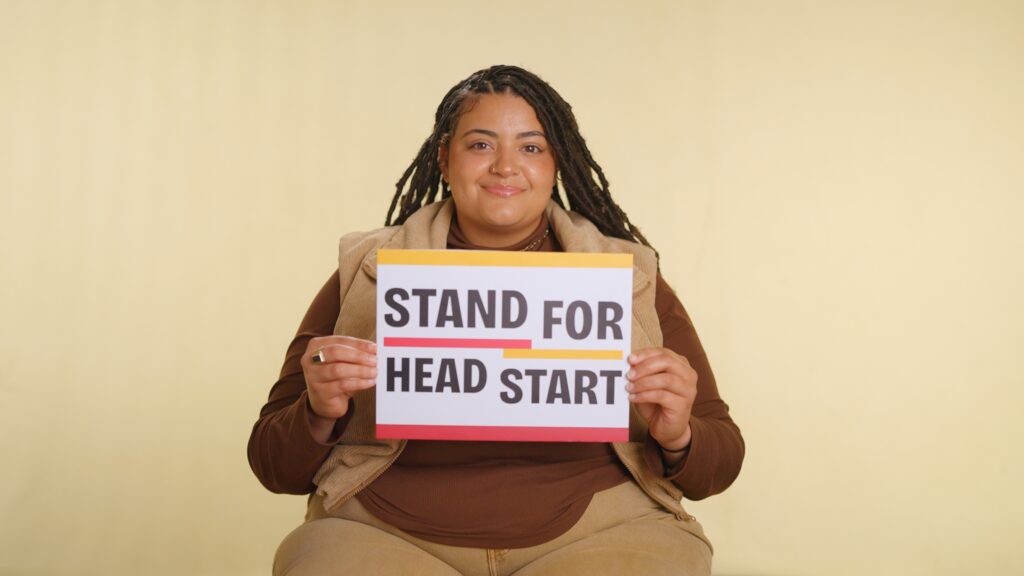
Video: Stand for Head Start
A short video highlighting the big difference Head Start makes in the lives of families.
What you can do
Congress, please protect and prioritize child care and early learning funding in FY27 Appropriations packages. This includes strengthening and prioritizing investments in trusted federal child care programs including the Child Care Development Block Grant (CCDBG), Head Start & Early Head Start, and Preschool Development Grants Birth through Five (PDG B-5).